Rainbow Font: A Creative Typeface
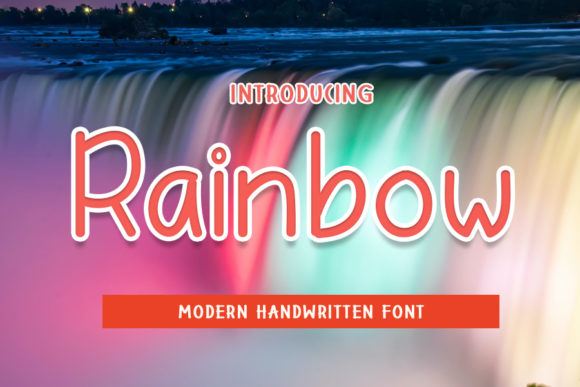
Rainbow is a minimal and simple handwritten font that brings a unique touch to editorial design. Its clean lines and natural flow make it ideal for a wide range of creative projects, from blog headers to printable guides. As part of the Script Amp collection, Rainbow offers a versatile option for designers looking to enhance their visual storytelling.
The font’s personality is warm and approachable, making it perfect for content that aims to connect with readers on an emotional level. Its soft curves and subtle variations in stroke weight add a humanized feel, which can be especially effective in branding and personal communication.
Using Rainbow in Editorial Design
Rainbow excels in headings, cover text, and quote graphics, where its handwritten style can draw attention and add character. In a lifestyle blog, for instance, it can be used for section titles or pull quotes to create visual interest without overwhelming the reader. When paired with a readable serif font for body copy, it maintains a balance between aesthetics and functionality.
For a recipe ebook, Rainbow can be used for chapter openers or title pages, giving the publication a personal and inviting feel. Similarly, in a wedding guide, it adds a touch of elegance and warmth, reinforcing the theme of celebration and connection.
Supporting Visual Hierarchy and Reader Engagement
Rainbow helps establish a clear visual hierarchy by standing out as a display font while remaining legible in smaller sizes. This makes it suitable for headings, subheadings, and accent typography in newsletters, digital magazines, and printable materials. Its consistency across different weights and styles ensures a cohesive look throughout a publication.
When used in lead magnets or worksheets, Rainbow can reinforce brand identity and create a memorable impression. Its ability to evoke emotion through style makes it a powerful tool for engaging readers and encouraging them to interact with content.
Practical Applications Across Media
In a coaching workbook, Rainbow can be used for key takeaways or motivational quotes, adding a personal touch that resonates with users. For a creator newsletter, it can enhance the header or subject line, making the message more visually appealing and easier to recognize in a crowded inbox.
When designing for print, Rainbow maintains its clarity and readability, making it suitable for business cards, flyers, and brochures. On screens, its simplicity ensures it remains legible on mobile devices and desktops alike, supporting a seamless reading experience across platforms.
Font Pairing and Design Assets
Pairing Rainbow with a complementary font enhances its effectiveness in editorial layouts. A clean sans serif font like Lato or Open Sans can serve as a reliable body font, while a serif typeface such as Georgia or Merriweather provides a classic contrast for longer text. This combination allows for a balanced and professional look without sacrificing creativity.
Designers should also consider the available styles, alternates, and ligatures when using Rainbow. These features can add depth and variety to typographic compositions, ensuring that the font remains flexible for different design needs.
Commercial Licensing and Usage
Rainbow is a commercial font, meaning it can be used in a variety of projects, including ebooks, templates, printables, paid newsletters, and client publications. Before incorporating it into a project, ensure that the licensing terms align with the intended use, especially if the work will be distributed or sold.
As a premium font, Rainbow offers a high-quality alternative to generic typefaces, allowing designers to elevate their work with a distinctive and expressive style. Its role in logo design, packaging, and social media graphics further expands its utility beyond traditional editorial applications.
Whether used for a digital magazine, a printable planner, or a creative course, Rainbow adds a personal and artistic flair that can enhance the overall aesthetic and engagement of a publication. Its versatility and ease of use make it a valuable addition to any designer’s toolkit.