Jully Julia: A Sophisticated Handwritten Font
There I was, staring at a blank brand board, trying to find the right visual voice for a new artisanal café. The client wanted something warm, inviting, and slightly whimsical—something that felt like it had been written by hand, not generated by a computer. That’s when I reached for Jully Julia, a premium font from Script Amp. It didn’t take long to realize this was more than just a pretty script—it was a tool for storytelling.
The Personality of Jully Julia
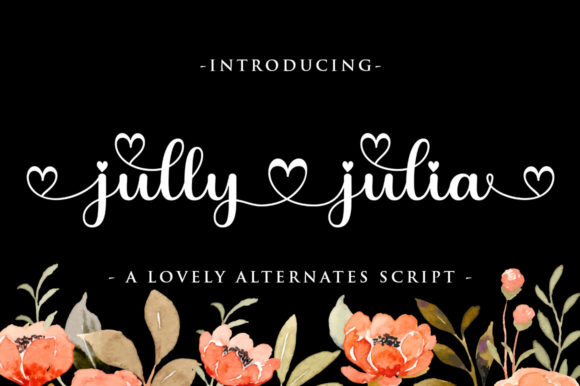
Jully Julia has a distinct personality. It’s confident without being overwrought, authentic without being too casual. The curves are smooth, the strokes have weight, and the overall feel is refined yet approachable. It doesn’t shout, but it commands attention in a way that feels natural. This makes it ideal for brands that want to communicate sincerity and charm without leaning into the overly cutesy or unprofessional.
It works well with both modern and traditional design systems. Whether paired with a clean sans serif or a classic serif, it adds a human touch that can elevate even the most minimal layouts. Its versatility means it can be used across different media, from digital interfaces to printed materials.
Testing Jully Julia in Real Projects
I first tested Jully Julia on a logo concept. The client wanted a name that felt personal, almost like it had been handwritten by a friend. Jully Julia delivered exactly that. It looked great in a bold, centered layout, and the subtle swashes added a touch of elegance. When compared to other script fonts, it stood out for its clarity and consistency across different sizes.
Next, I placed it on a packaging mockup for a small skincare line. The font’s organic flow made it feel like it belonged on a product label, especially when paired with soft pastel colors and minimalist graphics. It worked well as a headline, drawing the eye without overwhelming the rest of the design.
On a business card, Jully Julia felt just right. It wasn’t too large, but it still commanded attention. It looked good in both black and white and color, and the alternates allowed for some variation without breaking the visual harmony.
Where Jully Julia Shines
Jully Julia excels as a display font. It’s perfect for headlines, logos, and short phrases where readability isn’t the main concern, but style and emotion are. It’s not meant for body text, but as an accent or supporting typeface, it can add a lot of character to a design.
In web design, it works best in hero sections, headings, or call-to-action buttons. On social media, it stands out in post titles and captions, giving content a more personal, curated feel. For editorial design, it can be used sparingly to highlight key points or create a sense of rhythm in the layout.
It also pairs well with other fonts. A clean sans serif like Lato or Montserrat can balance its fluidity, while a serif font like Playfair Display can add contrast and sophistication. When used in combination, it creates a dynamic visual hierarchy that feels intentional and professional.
Limitations and Considerations
While Jully Julia is a strong choice for many projects, it’s not a one-size-fits-all solution. In small sizes, the details can get lost, making it less readable. It’s not suitable for long blocks of text, and in formal corporate settings, it might come off as too informal.
For a high-end fashion brand or a law firm, there may be better options. But for creative studios, boutique shops, or lifestyle brands, it’s a solid choice. It’s also important to check the commercial licensing before using it in client work, especially if it will be part of a broader brand system or sold as a template.
Final Thoughts on Jully Julia
After testing Jully Julia across multiple design assets, I can confidently say it’s a valuable addition to any designer’s toolkit. It brings warmth and personality to a project without sacrificing professionalism. It’s not the kind of font you use every day, but when the right moment comes, it can make all the difference.
If you’re looking for a font that feels personal, stylish, and versatile, Jully Julia is worth considering. Just remember to test it thoroughly in your specific context, and pair it thoughtfully with other elements of your design system. With the right approach, it can help you create something truly memorable.