Branding Font for Professional Design
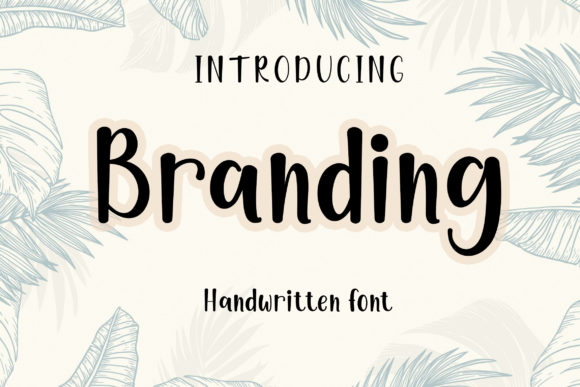
As a small business owner, I know how important it is to create a cohesive and professional look across all your brand materials. That’s where the Branding font comes in. It’s a sweet and friendly handwritten script that adds a personal touch to your designs without sacrificing clarity or style.
What Makes Branding Stand Out
Branding is more than just a font—it’s a typeface that brings warmth and personality to your brand identity. Its natural, unique style makes it perfect for businesses looking to stand out while still maintaining a polished appearance. Whether you’re designing a logo, creating social media posts, or working on packaging, Branding offers a versatile and approachable look that resonates with customers.
Real-World Applications for Small Businesses
From bakery logos to handmade candle labels, Branding works well across a wide range of applications. For example, a bakery might use it for their logo and menu design to give a cozy, home-baked feel. A beauty product brand could use it on packaging to emphasize craftsmanship and care. The font’s friendly nature makes it ideal for any business aiming to connect with its audience on a personal level.
It also shines in digital spaces. Instagram posts, Pinterest graphics, and website banners can all benefit from Branding’s expressive character. When used as a headline or display font, it draws attention without overwhelming the design. Pairing it with a clean sans serif font like Arial or Helvetica can balance creativity with readability, making it easier for customers to engage with your content.
Consistency Across All Touchpoints
One of the biggest challenges for small businesses is maintaining a consistent brand image. Branding helps with that by offering a unified visual language across different materials. Whether it’s a business card, a product label, or a thank-you note, using the same font ensures your brand feels familiar and trustworthy to customers.
For instance, a café owner might use Branding for their menu headers and signage, while using a simpler font for body text. This creates a layered design that’s both inviting and easy to read. Similarly, an online shop could use Branding for product titles and headings, reinforcing brand recognition across all customer-facing materials.
When to Use Branding
Branding works best as a headline, logo, or accent font. It’s not ideal for long paragraphs due to its decorative style, but when used strategically, it can elevate your design without compromising legibility. For example, it’s great for headlines on flyers, social media thumbnails, or website banners where visual impact matters most.
It’s also a strong choice for branding elements that need to feel authentic. If you’re running a boutique or selling handmade products, Branding can help communicate the personal effort and care that goes into your work. It’s especially effective when paired with a more neutral typeface for body text, ensuring your message remains clear and professional.
Testing Branding Before Full Implementation
Before committing to a font for your entire brand, it’s wise to test it in real-world scenarios. Print samples, digital mockups, and mobile previews can help you see how Branding looks in different contexts. Does it remain readable on small labels? Is it legible on a phone screen? These are important questions to ask before finalizing your design choices.
Try using Branding on a few key pieces first—like your logo or a social media post—and gather feedback from your audience. This will help you determine if it aligns with your brand’s tone and goals.
Font Pairing Tips for Better Design
Pairing Branding with other fonts can enhance your overall design. A common approach is to pair it with a clean sans serif font for body text. This contrast keeps your design modern and easy to read while allowing Branding to shine as a standout element.
Another option is to pair it with a serif font for a more traditional or elegant feel. This combination works well for businesses like coaching services, boutique shops, or artisanal brands that want to convey both creativity and professionalism.
Commercial Licensing Considerations
If you plan to use Branding on products, packaging, templates, or client work, make sure to check the commercial font licensing terms. Many fonts have specific rules about how they can be used, and understanding these will help you avoid legal issues down the line.
For businesses that rely on custom design assets, having the right license ensures you can use the font confidently across all your marketing materials. Always review the terms carefully before integrating any new font into your brand strategy.
Why Branding Fits Your Business Needs
Whether you’re starting a new business or rebranding an existing one, Branding offers a practical and appealing solution. Its friendly, handwritten style adds a human element to your designs, making your brand feel more approachable and authentic. At the same time, it maintains a level of professionalism that helps build trust with your customers.
By choosing the right font, you’re not just improving your design—you’re strengthening your brand’s presence in the market. Branding is a tool that can help you achieve consistency, clarity, and a stronger connection with your audience, all while keeping your visuals fresh and engaging.